Septic Services and Grease Buildup: What You Should Know
Grease buildup is one of the most common, and most misunderstood, causes of septic trouble. Homeowners often think of a septic system as something that handles whatever goes down the drain, as long as it is technically wastewater. In practice, fats, oils, and grease behave very differently from water and normal organic waste. They cool, congeal, cling to pipe walls, and interfere with the biological balance inside the tank. That combination can quietly shorten the life of the system.
The reason this matters is simple. Septic repairs are expensive, disruptive, and often avoidable. A minor grease habit at the kitchen sink can lead to a sluggish drain today, a backed-up line next month, and a stressed drain field years earlier than expected. People tend to notice the dramatic failure, but the damage usually starts much earlier, one panful of bacon grease or one series of greasy dish loads at a time.
If you own a home with a septic system, or manage a property that relies on one, it helps to understand how grease buildup happens, what warning signs matter, and when to call for professional septic services rather than trying a quick fix.
Why grease is harder on septic systems than most people realize
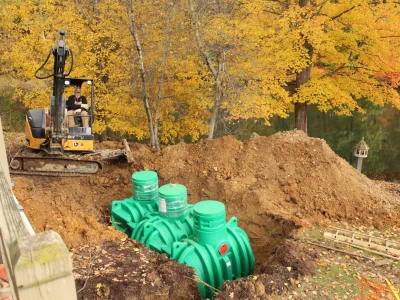
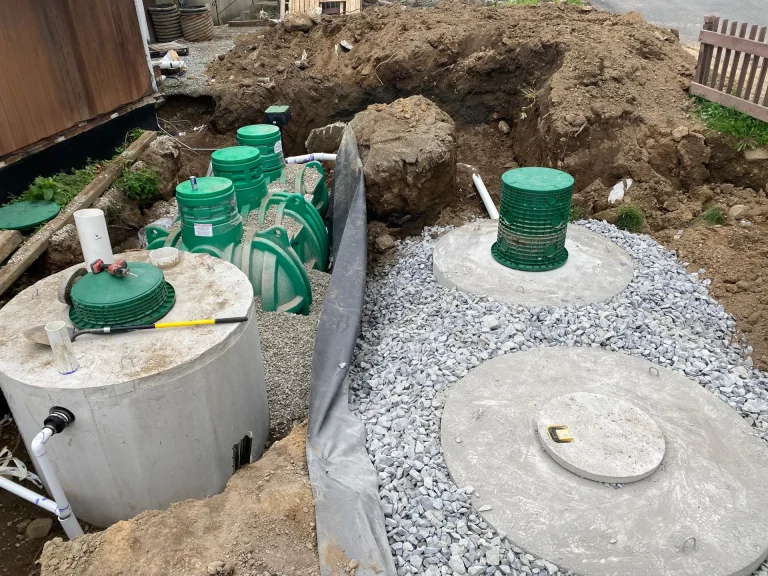
A septic system is designed to separate solids, scum, and liquid effluent. Inside the tank, heavier solids settle to the bottom as sludge. Lighter materials float to the top and form the scum layer. Between https://penzu.com/p/d96bda4d8d88b532 those layers sits the partially clarified liquid that eventually moves on to the drain field.
Grease adds trouble at every stage of that process.
When hot grease goes down the sink, it may look harmless for a few minutes. Once it cools, it thickens. Some of it sticks to the inside of household plumbing. Some reaches the septic tank and becomes part of the floating scum layer. A certain amount of scum is normal. The problem begins when the layer gets too thick, too quickly, or contains materials that break down very slowly.
Kitchen grease also tends to carry food particles with it. That means the system is dealing with both fat and solids together. The mixture can create stubborn masses in pipes and baffles, and it can limit proper separation inside the tank. In severe cases, grease can migrate beyond the tank and into components that were never meant to handle it.
People are often surprised to learn that a septic system does not "digest" grease well just because it contains bacteria. Septic bacteria can break down many organic materials over time, but fats and oils are a different challenge. They degrade slowly, especially in colder conditions, and they can suppress efficient system performance long before they fully decompose.
What happens inside the tank when grease gets out of hand
A healthy septic tank needs enough time and space to do its job. Wastewater enters, solids settle, scum floats, and the liquid in the middle exits at a controlled rate. Grease buildup interferes with all three of those functions.
The first issue is thickness at the top of the tank. When too much grease accumulates, the scum layer can become dense enough to reduce the tank's effective working volume. That means wastewater spends less time in the tank, and less time in the tank means poorer separation. Solids and suspended particles are more likely to move out with the effluent.
The second issue is obstruction at the inlet or outlet. Grease can combine with soap residue and food waste to create a mat near the baffles or tees. Once that happens, flow becomes erratic. The system may seem fine one day and then back up after a load of laundry or a dishwasher cycle because the available opening has narrowed.
The third issue is what happens downstream. If grease-laden effluent reaches the drain field, it can contribute to soil clogging. Drain fields rely on gradual infiltration and a delicate biological treatment zone in the soil. Oily residues can disrupt that zone and reduce the soil's ability to absorb water. At that stage, a simple pumping visit may not be enough. Repairs become more expensive, and sometimes partial replacement is the only practical path.
The kitchen habits that cause the most damage
Most grease problems do not come from a single dramatic mistake. They come from routine habits that feel small in the moment. A homeowner scrapes leftover cooking oil into the disposal because it is only a little. A pan gets rinsed with hot water and dish soap. Creamy sauces, meat drippings, butter, and fryer oil all get treated like liquid waste rather than solid waste.
Soap does not solve this problem. It can temporarily disperse grease, but that does not eliminate it. It simply moves the grease farther down the line before it cools and sticks somewhere else. Hot water does the same thing. It may clear the sink trap in the short term, but it can send grease deeper into the plumbing or straight to the septic tank, where the trouble continues.
Garbage disposals make matters worse. They grind food into smaller particles, but those particles still enter the septic system. If they are coated in fats or mixed with grease-heavy scraps, they increase the organic load and speed up sludge and scum accumulation. Homes with frequent disposal use often need septic services more often, especially if the household cooks regularly.
I have seen this pattern in family homes, rental properties, and vacation cabins. The owners usually assume the problem came out of nowhere because the drains worked for years. Once the tank is opened, the story becomes obvious. Thick scum, greasy residue around the inlet, and a tank that should have been pumped earlier. The warning signs were there, just easy to dismiss.
Signs that grease may be affecting your septic system
Not every slow drain points to grease, but grease-related septic problems do have a familiar rhythm. The issue often starts at the kitchen sink because that is where the material enters the system. Over time, the symptoms spread.
Watch for these warning signs:
- The kitchen sink drains slowly, especially after washing pans or running the dishwasher
- Gurgling sounds come from nearby drains when water is used
- Odors appear near the sink, outside near the tank, or around the drain field
- Wastewater backs up during heavy water use, such as laundry plus dishwashing
- The septic tank needs pumping more often than expected for the household size
A single symptom does not prove grease is the culprit, but several together are enough to justify a closer look. What matters is the pattern. If the kitchen is always the first place to act up, grease should be high on the list of suspects.
Why pumping helps, and why it is not always the full answer
Homeowners sometimes assume septic pumping "fixes" the system in the same way clearing a clog fixes a drain. Pumping is essential maintenance, but it has limits. It removes accumulated sludge and scum from the tank. That restores capacity and helps the tank separate wastewater properly again. It does not remove hardened grease from every inch of household pipe, and it does not reverse drain field damage if oily solids have already escaped downstream.
Still, timely pumping is one of the best tools available. If grease buildup is caught before it creates wider damage, routine septic services can restore normal operation and prevent emergency calls. During pumping, an experienced technician can also inspect the tank condition, measure sludge and scum levels, and note whether the baffles, tees, or filters show signs of greasy obstruction.
That inspection matters as much as the pump-out itself. A tank that fills unusually quickly with scum tells a different story than one with balanced layers. It can reveal heavy grease use, disposal overuse, or a recent change in occupancy. A good service provider does more than empty the tank and leave. They connect what they see in the tank to what is likely happening in the house.
How often should septic services be scheduled?
There is no universal schedule that fits every property. A small household with conservative water use and good kitchen habits may go several years between pump-outs. A larger family that cooks often, uses a garbage disposal, and hosts guests may need service much sooner.
Tank size, number of occupants, water use, and food preparation habits all influence the timeline. As a practical range, many homes benefit from inspection every one to three years and pumping somewhere around three to five years, but that is a broad guideline rather than a rule. If grease habits are poor, the interval can shrink significantly.
This is where records help. If you know the tank size, the date of the last service, and any past grease-related issues, a septic professional can give a much more useful recommendation. Without records, people tend to rely on guesswork, and guesswork often means they wait until a backup forces the issue.
The difference between a plumbing clog and a septic problem
One reason grease buildup gets mismanaged is that it can mimic an ordinary kitchen clog. If only the kitchen sink is slow, the problem may be localized in the branch line. If multiple fixtures are affected, especially on the lower level of a home, the issue may involve the main line, tank, or a restriction near the septic inlet.
The distinction matters because the wrong fix can waste time and money. A plumber may clear a greasy line inside the house, only for the owner to discover two weeks later that the tank is overdue for pumping and the outlet filter is loaded. On the other hand, calling for tank service when the real issue is a grease-packed kitchen line can also miss the mark.
Experienced providers often sort this out by asking specific questions. Which fixtures are slow? Does the problem worsen after dishwasher use? Are there odors outside? When was the tank last pumped? Has the household changed size? The answers narrow the possibilities quickly.
If you are unsure, say so. That is useful information in itself. The goal is not to guess correctly. The goal is to give the technician enough detail to diagnose the problem in the right order.
What good prevention looks like in a real household
The most effective grease prevention is not complicated, but it does require consistency. People do not need elaborate products or miracle additives. They need better kitchen discipline and realistic maintenance timing.
A solid prevention routine usually includes the following:
- Let grease cool, then place it in a container and dispose of it with the trash if local rules allow
- Wipe pans, plates, and cooking tools with paper towels before washing
- Limit garbage disposal use, especially for greasy or fibrous food scraps
- Keep a regular septic inspection and pumping schedule instead of waiting for symptoms
- Ask your septic provider whether your tank has an effluent filter that needs periodic cleaning
Each of those habits addresses a different part of the problem. Disposal keeps bulk grease out of the pipes. Wiping cookware reduces residue. Less disposal use cuts down on solids. Timely service protects the tank's working volume. Filter attention helps keep solids from reaching the drain field.
None of this is glamorous, but it works.
Additives, homemade remedies, and other common detours
When drains begin to slow, many homeowners reach for a product. Some choose enzyme or bacterial additives marketed for septic systems. Others try caustic drain openers, boiling water, vinegar and baking soda, or improvised degreasers.
These approaches deserve a careful look. Harsh chemical drain cleaners can damage plumbing, create safety hazards, and upset the biological balance in a septic tank. They may burn through a partial obstruction in one spot while doing nothing about a larger grease mass farther along. Homemade remedies are usually mild enough to be safe in small amounts, but they are also often too mild to solve an established grease problem.
As for septic additives, the marketing usually outruns the evidence. A healthy septic tank already contains bacteria. Additives do not substitute for pumping, and they do not erase years of grease accumulation. In some cases they may provide limited support, but they should never be treated as a maintenance plan.
The hard truth is that mechanical cleaning, inspection, and pumping are what solve most meaningful grease-related issues. When the problem is real, there is rarely a pour-in shortcut.
When grease buildup becomes a drain field risk
This is the stage homeowners want to avoid. Once grease and suspended solids move beyond the tank, the cost and complexity of repairs rise. The drain field may begin to accept water more slowly. You might notice wet spots, unusually lush grass over part of the field, sewage odors outdoors, or backups that worsen after rain because the soil is already under stress.
Drain field problems are not always caused by grease, but grease can be a major contributor, especially when combined with infrequent pumping. The tank stops being an effective settling chamber, more solids escape, and the field starts to clog from within. The process is gradual, then suddenly expensive.
At this point, septic services become diagnostic as much as maintenance-focused. A provider may evaluate tank levels, flow patterns, filter condition, signs of outlet carryover, and field performance. Depending on what they find, the recommendation could range from overdue pumping and line cleaning to more extensive repairs. This is why early action pays. Once the field is impaired, the menu of easy fixes gets very short.
Choosing the right service call
Not every septic company handles grease issues with the same level of thoroughness. If you suspect grease buildup, it helps to ask direct questions when booking service. Do they inspect baffles or tees during pumping? Can they comment on whether the scum layer is unusually heavy? Will they tell you if the issue looks more like a house-side blockage than a tank problem? Can they coordinate with a plumber if needed?
A strong service visit should leave you with more than a receipt. You should understand what was found, how serious it is, and what habits or timelines need to change. If the answer is simply "you needed pumping," that may be true. But if grease is a repeating factor, the explanation should connect your household use to the system condition.
The best septic services providers tend to be practical rather than dramatic. They do not oversell panic. They also do not downplay patterns that lead to expensive failures. If they see signs of trouble, they explain them clearly and give you a realistic next step.
Small changes now prevent bigger problems later
Grease buildup is one of those maintenance issues that rewards plain common sense. Septic systems can handle a lot when they are used thoughtfully and serviced on time. They struggle when grease becomes routine, solids are overfed, and warning signs are ignored because the sink still eventually drains.
If there is one principle worth remembering, it is this: what leaves the kitchen does not disappear. It either moves cleanly through a well-maintained system, or it settles somewhere that will cost money later. Most of the time, the difference comes down to habits and timing.
For homeowners, that means treating kitchen grease as trash, not wastewater. For property managers, it means educating tenants and keeping service records current. For anyone already seeing signs of trouble, it means calling for septic services before a manageable maintenance issue turns into a backup, a foul yard, or a failing drain field.
That is the practical side of septic care. Not mysterious, not complicated, just easy to neglect until the system forces the lesson.
Excavating New Jersey LLC
Address: 406 County Rd 565, Wantage, NJ 07461
Phone number: +19737914284
FAQ About Septic Services
What is the average cost to get a septic tank emptied?
Emptying a septic tank costs between $290 and $560 on average, with most homeowners paying about $420. Prices vary based on tank size.
What is septic service?
Septic service inspects, pumps, cleans, and maintains a septic tank. A septic tank is a large, underground container that collects and treats wastewater from your home. Over time, sludge, scum, and other debris, like hair and solids, can build up in your tank and clog your drain field.
How often should you have a septic tank serviced?
A standard septic tank should be inspected every 1 to 3 years and pumped every 3 to 5 years. However, the exact schedule depends on your tank's capacity, household size, and daily water usage.