The Importance of Timely Septic Services and Inspections

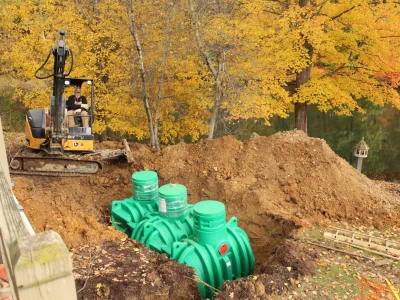

A septic https://maps.app.goo.gl/wVwDDendX5XK3hBt7 system is easy to ignore when it is doing its job. Wastewater leaves the house, drains disappear as they should, and the yard looks the same as it did yesterday. That quiet reliability is exactly why so many homeowners put septic maintenance off for too long. The trouble is that septic systems rarely fail without warning. More often, they decline gradually. Slower drains, occasional odors, soggy soil, or backups after heavy water use usually show up first. When those signals are missed, what could have been a routine service call can become an expensive repair, a health issue, or both.
Timely septic services and inspections matter because a septic system is not just a buried tank. It is a working treatment process with several parts that depend on each other. The tank separates solids from liquids. Baffles and filters help keep solids where they belong. Effluent moves to a drain field, where soil finishes the treatment process. If one part slips out of balance, the whole system is affected. By the time wastewater is backing up into tubs or pooling over the drain field, the damage is often much more serious than people realize.
Homeowners who stay ahead of maintenance usually spend less over the life of the system. They also avoid the stress that comes with emergency pumping, unusable bathrooms, damaged landscaping, and the awkward reality of explaining a septic failure during a property sale. In practical terms, regular inspections and timely service are not just preventive tasks. They are asset protection.
A septic system ages whether you think about it or not
Most septic systems do not fail because they are old in years alone. They fail because solids build up, components wear out, roots intrude, traffic compacts the soil, or too much water overwhelms the field. Age matters, but use patterns matter just as much. A two-bedroom house with one occupant may go much longer between service visits than a busy family home with frequent laundry loads, long showers, and weekend guests.
One of the most common misconceptions is that if nothing smells bad and nothing is backing up, the system must be fine. That is not a safe assumption. Septic tanks fill with sludge and scum over time. Those layers are normal, but they need monitoring. When the sludge rises too high or the scum layer gets too thick, solids can leave the tank and enter the drain field. Once that happens, the most expensive part of the system is at risk. Rehabilitating or replacing a failed drain field can cost many thousands of dollars, depending on soil conditions, local regulations, access, and site layout.
Routine septic services are much less expensive than drain field replacement. That is not sales language, it is simply how the math usually works. Pumping a tank on a sensible schedule might cost a few hundred dollars in many areas, though rates vary by region and tank size. Replacing a field can move into the high four figures or well beyond that. If the site is difficult, rocky, steep, heavily landscaped, or close to setbacks, costs rise fast.
What inspections actually catch
A proper septic inspection is not just a glance at the tank lid. A thorough visit can reveal patterns that homeowners miss because the signs are subtle or intermittent. Technicians often look at sludge and scum levels, inspect baffles, check filters, assess the condition of lids and risers, look for infiltration, and note whether effluent appears to be moving as expected. They may also evaluate the surrounding area for standing water, odors, lush patches of grass, or surface conditions that suggest the drain field is not dispersing properly.
In my experience, some of the most valuable findings during inspections are the small ones. A cracked lid may not seem urgent until someone steps on it. A missing effluent filter may not cause visible trouble today, but it can let solids travel farther than they should. A loose toilet that slowly leaks can add surprising water volume over months. A sump pump or water softener discharge connected improperly to the system can overload it. None of those issues sound dramatic on their own. Combined, they shorten system life.
Inspections are also where usage habits come into focus. A household may have installed a larger washing machine, added another bathroom, or turned a seasonal cabin into a year-round residence. The septic system serving that property may still be sized for a much lighter load. No tank or field likes being asked to do more than it was designed for, especially day after day.
The real cost of waiting too long
Many homeowners delay service because they want to save money, avoid inconvenience, or simply do not know the maintenance history of the property. Ironically, waiting tends to make every part of the situation more expensive. Emergency calls are rarely scheduled at the most convenient time. They happen before holidays, during storms, or when guests are in town. A preventable issue becomes urgent, and urgent work usually comes with added stress, limited options, and sometimes higher labor costs.
The hidden costs can be just as painful as the visible ones. Wastewater backing up into finished spaces can damage flooring, trim, drywall, and personal property. Saturated soil can leave sections of a yard unusable for a while. If effluent reaches ditches, wells, or nearby water bodies, there can be public health concerns and regulatory consequences. Even when a failure stays contained on the property, cleanup is unpleasant and disruptive.
Real estate transactions bring another layer of risk. Buyers are increasingly cautious about septic systems, especially in rural or semi-rural markets. A delayed pumping schedule, lack of service records, or evidence of drain field trouble can complicate inspections and negotiations. Sometimes a sale is delayed until the system is evaluated. Sometimes the seller ends up paying for work they could have addressed years earlier at a much lower cost.
Timing is not one-size-fits-all
People often ask for a universal pumping schedule, but the honest answer is that there is no single interval that suits every system. Tank size, household size, water use, garbage disposal use, and even how often people cook at home all affect sludge accumulation. Some households may need pumping roughly every three to five years. Others need attention sooner, particularly if the tank is small for the number of occupants.
The better approach is to treat inspections as a way to establish the right rhythm for your property. A technician can look at what is actually happening in the tank instead of guessing from a calendar. That matters because pumping too late is risky, but pumping much too early, every time, may mean paying for service more often than necessary.
A few signs usually justify calling for septic services sooner rather than later:
- Drains that have become noticeably slower across more than one fixture
- Sewage odors near the tank, drain field, or inside the home
- Wet, spongy, or unusually green patches over the drain field
- Gurgling sounds after heavy water use
- Backups that occur when the washing machine, shower, or dishwasher runs
These warning signs do not always point to a full tank. A blocked line, filter issue, field saturation, or plumbing problem can create similar symptoms. That is why diagnosis matters. Guessing wastes time, and sometimes it makes things worse.
Seasonal pressures and weather-related problems
Weather plays a bigger role in septic performance than many people expect. Heavy rain can saturate soils and reduce the drain field’s ability to absorb effluent. Extended wet periods sometimes expose weaknesses that have been developing quietly for months. Homeowners may notice that a system seems fine during dry weather but struggles after storms. That pattern usually deserves attention, because it can indicate poor drainage, compaction, partial field failure, or excess water entering the system.
Cold climates create their own complications. Frozen lines and tanks are less common in properly designed and regularly used systems, but they do happen. Vacant properties are especially vulnerable. A lightly used vacation home may not produce enough warm wastewater to help keep parts of the system from freezing. Compacted snow from plowing or driving over system areas can worsen the problem by reducing insulation.
High water use around holidays is another predictable stressor. A house that typically serves two people can suddenly host eight. More showers, more laundry, more dishwashing, and fuller toilets all hit the system within a short window. If the tank is already overdue for service, that surge can be the event that pushes it past its limit.
What a good service visit should leave you with
A worthwhile septic appointment should give you more than a pumped tank and a bill. Homeowners should come away with a clearer picture of system condition, maintenance timing, and any issues worth watching. If a contractor notices root intrusion, deteriorating baffles, damaged lids, or evidence of solids reaching the outlet, that information matters. Good service is partly mechanical and partly educational.
Ask questions during the visit. If the tank level, sludge thickness, or outlet condition suggests a shorter maintenance interval, you should know why. If the system appears healthy, it is useful to hear that too, along with the habits that are helping. The goal is not just to solve today’s problem, but to reduce the chance of a worse one later.
Documentation is worth keeping. A simple folder with pumping dates, inspection notes, tank size, a site sketch, and repair records can save time and money down the road. New homeowners especially benefit from this. One of the harder service calls is the property where no one knows where the tank is, when it was last pumped, or whether a repair was done correctly ten years ago.
Small habits that protect the larger investment
Most septic failures are not caused by one dramatic mistake. They grow out of repeated strain. Water use habits, what goes down drains, and how the yard is treated all affect longevity. Homeowners do not need to become septic experts, but they do need to understand that the system has limits.
There are a few practices that consistently make a difference:
- Spread out laundry loads instead of doing many back to back
- Keep grease, wipes, and hygiene products out of the system
- Fix leaking toilets and faucets promptly
- Avoid driving or parking over the tank and drain field
- Direct roof runoff and surface water away from the field when possible
None of that is complicated, but each habit reduces stress on the system. Water volume matters just as much as what enters the tank. I have seen homes with no major misuse still struggle simply because a running toilet added hundreds of gallons a day. People tend to underestimate how fast that kind of leak can overload a field.
The same goes for products marketed as septic cures. Additives are often presented as a shortcut to maintenance. Some are harmless, some are questionable, and few replace proper inspection and pumping. If solids need removal, a bottle will not remove them. If a field is failing, treatment claims should be viewed with caution and discussed with a qualified local professional who understands the site.
Not all problems begin in the tank
When homeowners think about septic issues, they usually picture a full tank. Sometimes that is the problem, but it is far from the only one. Distribution boxes can settle unevenly. Outlet filters can clog. Pipe runs can shift. Roots can invade lines. The drain field itself can compact or biomat over time. A proper inspection helps separate these possibilities, because the right fix depends on knowing where the bottleneck actually is.
This becomes especially important with older properties. Homes that have changed hands several times may have additions, remodeled bathrooms, redirected drainage, or undocumented repairs. It is not unusual to find a newer fixture load connected to an older system with limited capacity. Nor is it unusual to discover that vehicles have been crossing the field for years because no one clearly marked where it was.
For commercial or mixed-use properties, the complexity increases. A small office with a breakroom and one restroom has different demands than a home, even if the building size looks similar from the road. Food service, salons, daycare operations, and short-term rentals can all put unusual loads on a septic system. Those properties benefit from tighter service schedules and more frequent review.
Choosing septic professionals with care
Septic work is one of those trades where experience shows quickly. A seasoned professional often notices site clues that a less careful contractor may miss. They ask how many people live in the house, whether anyone has noticed odors after rain, whether the lawnmower has been avoiding a wet patch, whether plumbing backups happen randomly or after laundry day. Those questions matter because septic diagnosis is part field observation, part system knowledge, and part pattern recognition.
Look for providers who communicate clearly, explain what they found, and avoid rushing to the most expensive answer. Sometimes a simple maintenance issue really is the problem. Sometimes a homeowner wants a pump-out when the system actually needs further testing because the field is showing signs of failure. Good judgment matters on both ends. You want neither panic nor false reassurance.
It also helps to work with a local company that understands regional soils, frost conditions, and permitting requirements. Septic behavior in sandy soil is not the same as septic behavior in clay-heavy ground. Water tables, lot sizes, and inspection standards vary. Local experience often leads to better recommendations.
Why timely action preserves both health and property value
A septic system is not only a utility. It is a health safeguard built into the property. When it works properly, wastewater is treated and dispersed without putting people, pets, or groundwater at unnecessary risk. When it fails, the problem does not stay neatly underground. Odors, bacteria, contaminated surface areas, and indoor backups all become possibilities.
Timely septic services reduce those risks before they escalate. They also support property value in a practical, documentable way. A home with a known service history, recent inspection results, and a system that has been used responsibly is easier to evaluate and easier to trust. That matters to buyers, lenders, and owners who simply want confidence that one heavy weekend of guests will not turn into a service emergency.
There is also peace of mind in knowing the location and condition of key components. Homeowners who understand where the tank and field are, when the system was last inspected, and what warning signs to watch for tend to make better decisions faster. They do not wait until sewage odors become impossible to ignore. They call when the signs are still manageable.
A septic system rarely asks for attention at a convenient moment. The best time to think about maintenance is before it is urgent. Regular inspections, sensible pumping intervals, and prompt response to warning signs keep small issues from becoming structural failures. For most properties, that is the difference between predictable maintenance and a costly disruption that spills into daily life, finances, and future resale. Timely care is not overcautious. It is simply how responsible ownership works when part of your home’s most important infrastructure is buried out of sight.
Excavating New Jersey LLC
Address: 406 County Rd 565, Wantage, NJ 07461
Phone number: +19737914284
FAQ About Septic Services
What is the average cost to get a septic tank emptied?
Emptying a septic tank costs between $290 and $560 on average, with most homeowners paying about $420. Prices vary based on tank size.
What is septic service?
Septic service inspects, pumps, cleans, and maintains a septic tank. A septic tank is a large, underground container that collects and treats wastewater from your home. Over time, sludge, scum, and other debris, like hair and solids, can build up in your tank and clog your drain field.
How often should you have a septic tank serviced?
A standard septic tank should be inspected every 1 to 3 years and pumped every 3 to 5 years. However, the exact schedule depends on your tank's capacity, household size, and daily water usage.